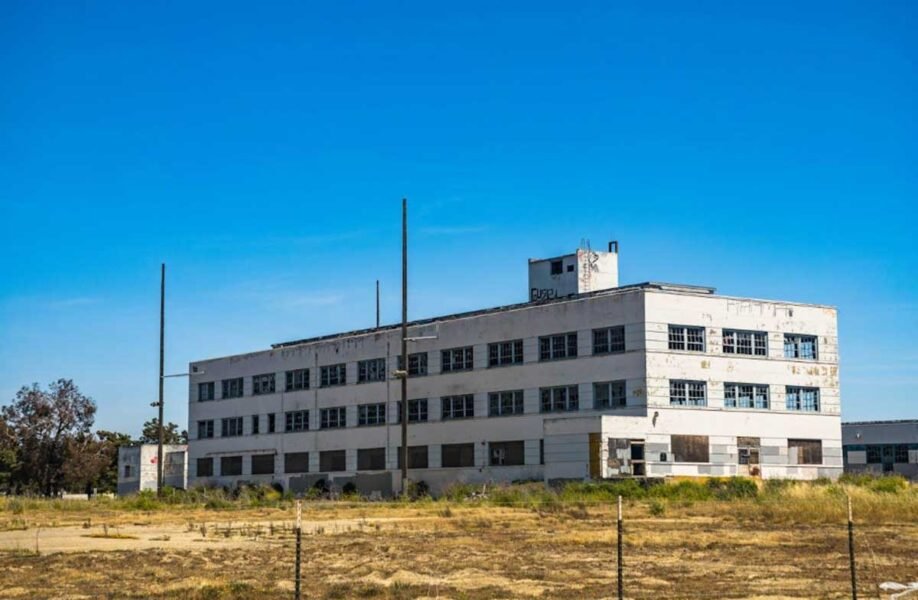
For decades, many service members lived and worked in environments that were supposed to be safe havens but contained a hidden danger. While training for combat or maintaining equipment, thousands of military personnel unknowingly breathed in toxic fibers.
This invisible enemy wasn’t on a battlefield abroad but right here at home, embedded in the walls, pipes, and machinery of military installations. The legacy of this exposure continues to affect veterans and their families today, often manifesting years after their service has ended.
Military Bases with Asbestos
From the 1930s through the 1970s, the U.S. military relied heavily on asbestos for construction and shipbuilding. It was considered a miracle material for fireproofing and insulation. Barracks, administrative buildings, family housing, and mess halls were constructed using asbestos-containing products.
Consequently, numerous military bases with asbestos became potential hazard zones for those stationed there. The widespread use meant that almost every branch of the service had installations where exposure was possible.
While regulations have since tightened, the long latency period of asbestos-related diseases means that veterans who served during these decades are only now facing the health consequences. ELSM Law has seen how these historical exposures continue to impact veterans’ lives today.
Common Areas of Exposure on Bases
Exposure didn’t just happen in one specific place. It could occur in sleeping quarters where pipe insulation was deteriorating or in vehicle maintenance bays where mechanics worked on brakes and clutches.
Shipyards were particularly high-risk environments, as ships required extensive insulation and fireproofing. Service members might have encountered asbestos in floor tiles, roofing materials, cement sheets, and gaskets.
During renovations or demolition projects on base, dust containing these fibers would fill the air. Even family members living in on-base housing faced risks if the building materials were damaged or crumbling.
Specific Health Risks Associated with Asbestos
Breathing in these fibers can lead to several serious conditions. Asbestosis is a chronic lung disease caused by inhaling asbestos fibers, which leads to scarring of lung tissue. This scarring makes it difficult to breathe and prevents oxygen from entering the bloodstream efficiently.
Another major risk is lung cancer. Exposure significantly increases the likelihood of developing tumors in the lungs, especially for those who also smoked. Mesothelioma is perhaps the most specific cancer associated with asbestos.
It affects the thin lining of the body’s internal organs, most commonly the pleura surrounding the lungs. This aggressive cancer often does not show symptoms until 20 to 50 years after the initial exposure.
Who Is at Risk?
Not everyone exposed to asbestos gets sick, but certain factors increase the likelihood of developing disease. The concentration of fibers in the air and the duration of exposure play significant roles. Those who worked directly with the material, such as construction workers, pipefitters, and boiler technicians, faced the highest risks.
However, “secondary exposure” also affected many. This occurred when service members brought asbestos dust home on their uniforms, potentially exposing their spouses and children. Genetics and lifestyle choices, particularly smoking, can further compound the risk for individuals exposed to the mineral.