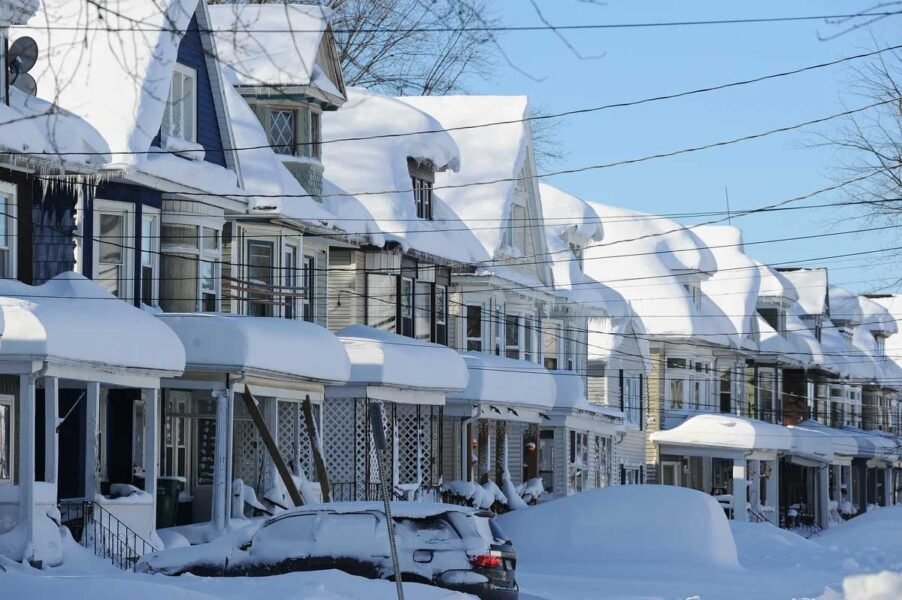
Living in a region blessed with consistent snowfall can feel like stepping into a postcard each morning. Snow-covered rooftops, sparkling trees, and peaceful white landscapes create a sense of calm that warmer climates rarely replicate. Yet, alongside the beauty comes responsibility. From home maintenance to mental well-being, thriving in a snowy climate requires preparation, adaptability, and a positive mindset.
Here’s how to turn heavy snowfall into a source of comfort rather than stress.
Designing a Warm and Efficient Home
Your home is your winter sanctuary. Proper insulation is one of the most important investments you can make. Well-insulated walls, attics, and basements reduce heat loss, lower energy bills, and eliminate uncomfortable drafts. Double- or triple-pane windows further enhance warmth and help maintain a consistent indoor temperature.
Heating systems should be serviced before winter hits its peak. Whether you rely on a furnace, boiler, or heat pump, regular maintenance ensures efficiency and safety. Many homeowners in snowy regions also embrace supplemental heat sources like pellet stoves or electric fireplaces to add both warmth and ambiance.
Don’t overlook the roof. Heavy snowfall can accumulate quickly, putting stress on the structure. Installing a snow guard can help control the release of snow and ice, reducing sudden slides that may damage gutters or pose safety hazards below.
Mastering Snow Management
Consistent snowfall demands a snow removal strategy. Shoveling might work for light dustings, but in areas with frequent accumulation, a snow blower can save time and protect your back. Keep walkways, driveways, and emergency exits clear to maintain safety for your household and visitors.
Ice management is equally important. Stock up on ice melt or sand before winter storms become frequent. Apply products early to prevent ice from bonding to surfaces, which makes removal far easier.
Planning ahead also includes understanding local weather patterns. Monitor forecasts regularly so you can prepare for incoming storms. Keeping a small supply of essentials—flashlights, batteries, bottled water, and nonperishable food—ensures you’re ready if heavy snowfall disrupts power or travel.
Embracing Winter-Friendly Transportation
Driving in snowy climates requires patience and preparation. Winter tires significantly improve traction and braking performance compared to all-season alternatives. Keep your vehicle equipped with an emergency kit that includes blankets, a shovel, jumper cables, and windshield washer fluid rated for freezing temperatures.
Allow extra travel time during storms and avoid sudden acceleration or braking. Defensive driving habits become even more critical when roads are slick and visibility is reduced.
If possible, explore alternative transportation options such as public transit or carpooling during major snow events. Reducing the number of vehicles on hazardous roads benefits everyone.
Supporting Physical and Mental Well-Being
Shorter days and colder temperatures can take a toll on mood and energy levels. To combat seasonal sluggishness, prioritize exposure to natural light whenever possible. Open curtains during the day and consider using light therapy lamps if winter darkness feels overwhelming.
Staying active is another powerful mood booster. Snowy regions offer unique recreational opportunities, from snowshoeing and cross-country skiing to sledding with family. Physical movement not only improves cardiovascular health but also fosters appreciation for the season’s beauty.
Nutrition plays a role as well. Warm, balanced meals rich in vegetables, lean proteins, and whole grains provide sustained energy. Hydration is often overlooked in cold weather, yet it remains just as important as in summer months.
Building Community Connections
One of the hidden gifts of snowy living is the sense of community it can inspire. Neighbors often come together to clear driveways, check on elderly residents, or share resources during major storms. Participating in local winter events—holiday markets, ice festivals, or neighborhood gatherings—strengthens social bonds and reduces feelings of isolation.
If you’re new to a snowy region, consider joining local online groups or community boards. They’re excellent resources for practical advice, weather updates, and recommendations for reliable service providers.
Protecting Your Property Year-Round
Winter preparation doesn’t end once snow begins to fall. Gutters should be cleaned in autumn to prevent ice dams. Exterior pipes must be insulated to avoid freezing and bursting. Landscaping can also be adapted by choosing hardy plants that tolerate cold temperatures and heavy snow loads.
Regular inspections throughout the season help identify small issues before they become costly repairs. Clearing excess snow from decks and checking for roof ice buildup protects structural integrity and extends the lifespan of your home.
Finding Joy in the Season
Perhaps the most important shift is perspective. Instead of viewing consistent snowfall as an inconvenience, embrace it as a defining feature of your environment. Create cozy indoor rituals—warm drinks by the window, movie nights, or reading sessions under soft blankets. Celebrate the first snowfall and savor the quiet hush that follows a storm.
Living in a snowy climate isn’t simply about enduring winter; it’s about adapting thoughtfully and finding comfort within it. With preparation, mindfulness, and a touch of seasonal creativity, consistent snowfall can transform from a challenge into one of life’s most beautiful experiences.