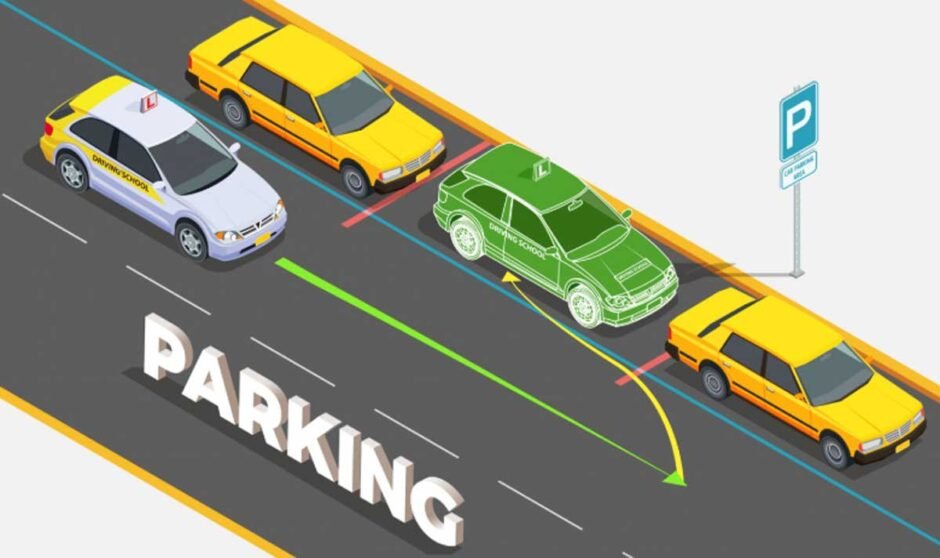
Parking on or near a college campus can feel like navigating a minefield. Between confusing permit zones, tight lots, and time-restricted spaces, it’s no wonder students end up with tickets—or worse, a towed car. The good news? Most parking mistakes are entirely avoidable. Here’s a breakdown of the five most common ones and what you can do to steer clear of them.
1. Ignoring Permit Zone Requirements
One of the most frequent (and costly) mistakes students make is parking in a zone they’re not permitted to. Most campuses divide their lots into color-coded or numbered zones, each requiring a specific permit. Parking in the wrong zone—even for a few minutes—can result in a fine of anywhere between $50 and $200, depending on the institution.
The fix is simple: read your campus parking map carefully before choosing a spot. Keep your permit visible on your dashboard at all times, and if you’re unsure whether a zone applies to you, check with the campus parking office before leaving your car.
2. Overlooking Time Restrictions
Time-restricted parking is common near campus buildings, cafeterias, and administrative offices. These spaces are typically marked with signs that indicate a maximum parking duration—usually 15 minutes to two hours. Students often underestimate how long they’ll be inside and return to find a ticket waiting.
Set a timer on your phone as soon as you park in a time-restricted zone. Better yet, if you plan to be on campus for an extended period, opt for a designated student lot rather than risking a fine in a short-stay space.
3. Parking in Unauthorized or Reserved Spots
Faculty and staff spots, handicapped spaces, and reserved bays are off-limits for a reason. Yet students frequently park in these areas during busy periods, assuming they won’t be noticed. Parking in a handicapped space without proper authorization, for example, can result in fines upward of $250 in many states.
Always look for clearly posted signage before pulling into a space. If a spot looks suspiciously convenient, it’s worth taking 30 extra seconds to confirm it’s open to general student parking.
4. Leaving Your Car Vulnerable to Sun and Weather Damage
This one doesn’t come with an immediate fine, but it costs students money over time. Cars parked outdoors for long stretches—especially in high-sun states like California, Texas, and Florida—are susceptible to UV damage, interior fading, and heat buildup. Many students don’t think about vehicle protection until the damage is already done.
A practical and cost-effective solution is window tint, which blocks UV rays, reduces interior heat, and helps protect upholstery from sun damage. For students who park outdoors daily, it’s a smart long-term investment that pays for itself by preserving the condition of the vehicle.
5. Assuming “Just a Minute” Is Fine
Perhaps the most universal mistake: leaving your car in a no-parking zone because you’ll “only be a second.” Whether it’s a fire lane, a loading zone, or a crosswalk-adjacent spot, these areas are monitored closely—especially on busy campuses where parking enforcement officers patrol regularly throughout the day.
Campus parking services don’t operate on the honor system. A car parked illegally for two minutes is just as ticketable as one left there for two hours. If you can’t find a legitimate spot, use a designated drop-off zone or circle the lot until one opens up.
Final Thoughts
Parking might seem like a minor logistical detail, but the fines, towing fees, and vehicle wear that come from poor habits can add up fast—especially on a student budget. A little preparation goes a long way: know your permit zone, respect time limits, and take steps to protect your vehicle from the elements.