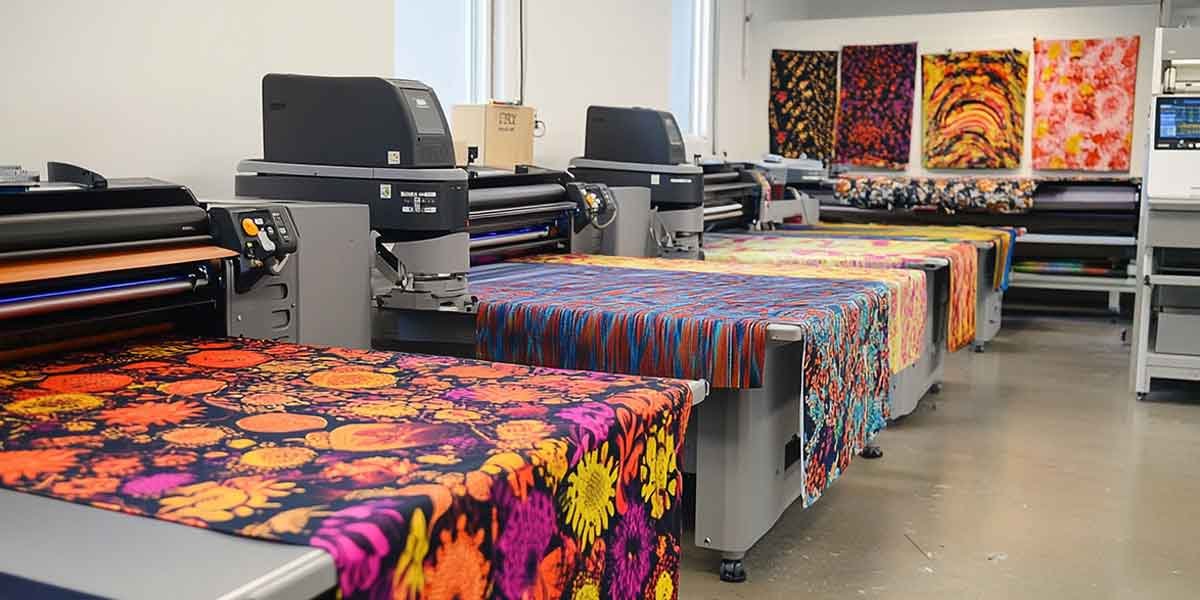
High-impact textile print displays are becoming a preferred choice for modern visual marketing because they combine strong aesthetics with practical performance. From retail environments to trade shows and corporate events, fabric-based graphics offer flexibility, lightweight handling, and a premium visual finish. To create displays that truly stand out, attention must be given to design preparation, material quality, and printing technology. Continue reading to find out everything you need to know.
Build Your Design Around Visibility
Effective textile displays start with strong visual planning. Unlike rigid signage, fabric surfaces can introduce subtle movement and texture, so designs should emphasize clarity and readability.
Use bold headline elements, high contrast color combinations, and simple composition structures. Text should be large enough to remain legible from typical viewing distances. Overly complex artwork can lose impact once transferred onto fabric because textile surfaces tend to soften sharp visual edges slightly.
Vector-based graphics are highly recommended because they maintain clarity when scaled. Always check image resolution and proof artwork before printing to avoid pixelation or color distortion during production.
Select Quality Printable Textile Materials
Material choice directly influences print quality and durability. Professional textile displays depend on fabrics engineered to absorb and hold ink evenly while maintaining structural integrity during installation and transport.
Working with a trusted source is important when sourcing media for production. Many designers rely on a supplier of printable fabric sheets that offers specialized substrates designed for commercial printing applications.
Polyester-based textiles are especially popular because they support dye-sublimation printing, which bonds ink deep into fibers for long-lasting color vibrancy. For applications requiring illumination, opt for fabrics designed to diffuse light evenly across the surface.
Optimize Printing Technology and Color Performance
The printing method used plays a major role in the final appearance. Dye-sublimation printing is widely used in high-quality textile production because it delivers smooth gradients and excellent color penetration.
Color management should not be overlooked. Fabric naturally absorbs light differently than glossy substrates, which means saturation levels may need adjustment during file preparation. Producing sample prints helps ensure brand colors remain consistent across multiple displays.
Plan Installation and Long-Term Use
High-impact textile displays should be designed with practicality in mind. Lightweight fabric panels are easier to transport and install compared to rigid signage systems.
Tension frame structures, snap frames, and hook mounting systems are commonly used to keep fabric surfaces smooth and wrinkle-free. Proper handling during storage is essential. Rolling fabric graphics rather than folding them helps prevent permanent creases and extends display life.
Durability is particularly important for reusable marketing assets. Selecting fabrics with good tear resistance and color stability ensures the display continues performing well after multiple installations.
Create Displays That Capture Attention
When design quality, material selection, and production technique work together, textile print displays become powerful marketing tools. They offer visual depth, professional finish, and practical flexibility that traditional signage often cannot match.
As brands continue seeking more sustainable and visually engaging promotion methods, textile printing remains a forward-looking solution for modern advertising and retail presentation.