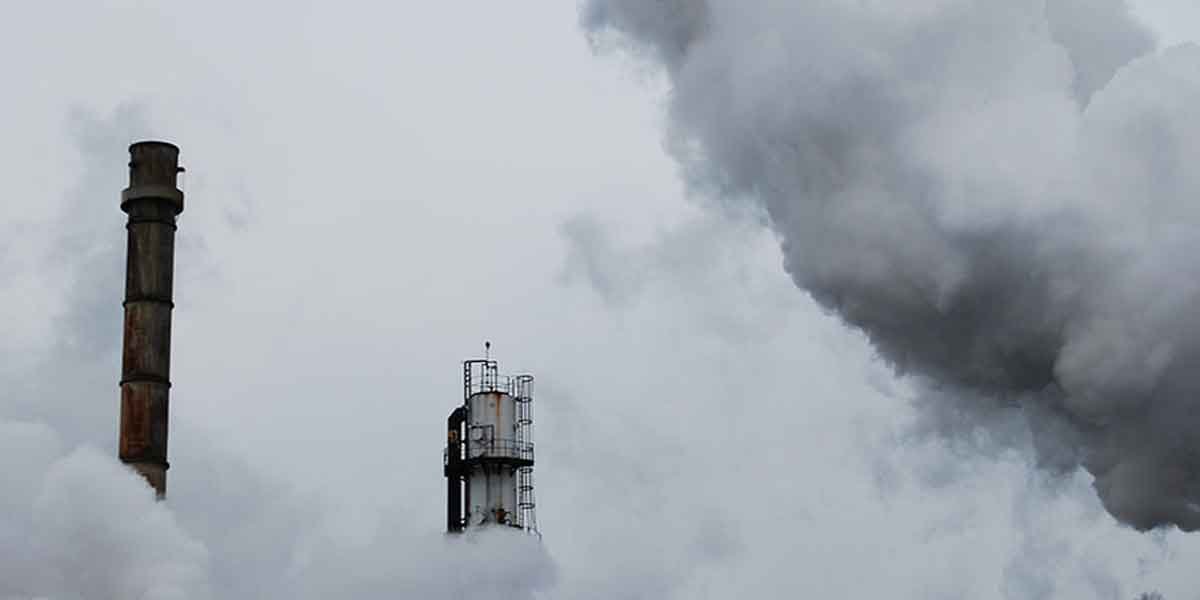
Industrial activity remains one of the largest contributors to global carbon emissions, making it a critical focus area for sustainability efforts. As environmental regulations tighten and public expectations evolve, industries are being pushed to adopt innovative strategies that significantly reduce their carbon footprint. Breakthrough approaches are now reshaping how companies operate, offering both environmental and economic benefits.
Advanced Carbon Capture Technologies
One of the most impactful developments in recent years is the advancement of carbon capture technologies. These systems are designed to trap carbon dioxide emissions at their source before they can enter the atmosphere. Modern solutions are becoming more efficient, scalable, and cost-effective, allowing a broader range of industries to implement them.
For example, companies are increasingly turning to solutions like Carbon Clean, which provide modular and flexible carbon capture systems tailored to industrial needs. These innovations enable facilities to integrate emission-reduction technology without requiring complete infrastructure overhauls, making adoption far more practical.
Electrification of Industrial Processes
Another major shift is the electrification of processes traditionally powered by fossil fuels. By transitioning to electricity (especially when sourced from renewables), industries can significantly cut emissions. Electrification is particularly effective in sectors like manufacturing, where heat and mechanical processes have historically relied on coal or gas.
Technologies such as electric boilers, induction heating, and advanced electric furnaces are gaining traction. These systems not only reduce carbon output but also improve efficiency and precision, helping companies optimize production while lowering their environmental impact.
Adoption of Circular Economy Principles
A circular economy approach focuses on minimizing waste and maximizing resource efficiency. Instead of the traditional linear model of “take, make, dispose,” industries are rethinking how materials are used and reused. This shift plays a key role in reducing carbon emissions associated with raw material extraction and processing.
Recycling, remanufacturing, and reusing materials help lower energy consumption across the production cycle. Additionally, designing products with longevity and recyclability in mind reduces waste and contributes to a more sustainable industrial ecosystem.
Digital Optimization and Smart Technologies
Digital transformation is also driving significant progress in emission reduction. Smart technologies, including artificial intelligence, machine learning, and the Internet of Things (IoT), are enabling industries to monitor and optimize their operations in real time.
By analyzing data from sensors and connected systems, companies can identify inefficiencies, reduce energy consumption, and minimize waste. Predictive maintenance, for instance, prevents equipment failures that could lead to excess emissions, while automated systems ensure processes run at peak efficiency.
Transition to Low-Carbon Fuels
Replacing high-emission fuels with low-carbon alternatives is another essential strategy. Hydrogen, biofuels, and synthetic fuels are emerging as viable substitutes for traditional fossil fuels in many industrial applications. Green hydrogen, in particular, holds significant promise because it can be produced with zero emissions when generated from renewable energy.
Industries such as steel, cement, and chemicals are beginning to explore these alternatives as part of their decarbonization strategies. While challenges remain in terms of cost and infrastructure, ongoing investment and innovation are steadily improving feasibility.
Collaborative Industry Initiatives
Collaboration across industries is proving to be a powerful driver of change. Partnerships between companies, governments, and research institutions are accelerating the development and deployment of low-carbon technologies. Shared knowledge, resources, and funding help overcome barriers that individual organizations might struggle to address alone.
Industry-wide commitments and alliances also help set standards and encourage accountability. By working together, stakeholders can create a unified approach to reducing emissions and achieving long-term sustainability goals.
Looking Ahead
The path to reducing industrial carbon output is complex, but breakthrough approaches are making meaningful progress possible. From advanced carbon capture systems to digital optimization and alternative fuels, these innovations are transforming how industries operate. As adoption continues to grow, the combined impact of these strategies will be essential in building a more sustainable and resilient future.