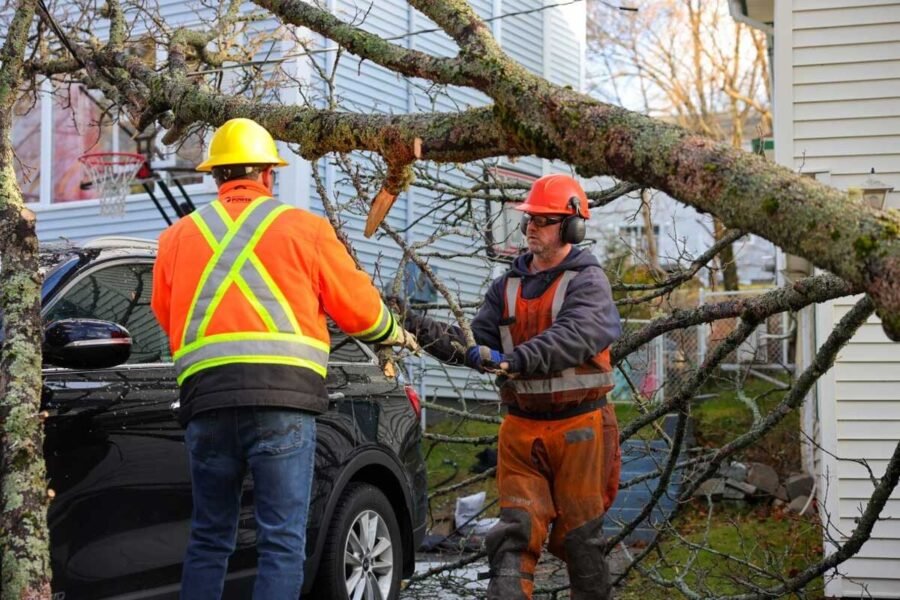
Storm season brings unpredictable weather that can cause severe damage to unprotected properties. High winds, heavy rainfall, and flying debris are a constant threat to your home’s structural integrity. Waiting until the sky turns dark is the wrong time to start thinking about your home’s defenses.
Assessing Structural Vulnerabilities
Your home’s exterior is the first line of defense against severe weather. A thorough inspection can reveal hidden weaknesses before the first drop of rain falls. Taking a weekend to evaluate your property can save you thousands of dollars in water damage and structural repairs.
Check Your Roof and Gutters
The roof takes the brunt of any severe storm. Look for missing shingles, cracked tiles, or rusted flashing that could give water an easy path inside your home. Clean out your gutters and downspouts to ensure proper drainage. Clogged gutters lead to water pooling, which easily damages your foundation, rots your fascia boards, or causes dangerous interior leaks.
Inspect Doors and Windows
Seal gaps around your exterior doors and windows with weatherstripping or caulk. This prevents drafts and stops moisture intrusion. If you live in a hurricane-prone area, consider installing permanent storm shutters or cutting plywood boards to fit your window frames ahead of time.
Do not forget the largest entry point to your house. High winds can easily buckle a weak garage door, allowing pressure to build up inside your home and potentially blow off the roof. If you notice any operational issues or structural wear, schedule a professional assessment. For instance, booking a garage door repair in Ogden before the season peaks can save you from a catastrophic blowout during a major storm.
Essential Maintenance Tasks
A well-maintained yard looks great, but it also protects your home during extreme weather. Loose items and dead vegetation quickly become hazards when wind speeds increase.
Trim Trees and Branches
Overhanging branches can snap during high winds, crashing through windows or destroying local power lines. Walk around your property and identify any dead, diseased, or overgrown tree limbs that pose a threat. Hire a professional arborist to prune large trees safely, keeping branches well away from your roof and exterior walls.
Secure Outdoor Furniture
Lawn chairs, patio umbrellas, grills, and potted plants easily become dangerous projectiles in heavy storms. Move lightweight items into a sturdy shed or garage before the weather turns. For heavier items that must stay outside, anchor them securely to the ground or a permanent structure using heavy-duty bungee cords or specialized tie-downs.
Creating an Emergency Preparedness Kit
When severe storms knock out power or water supplies, a well-stocked emergency kit is an absolute lifesaver. Keep these essential supplies in an easily accessible, waterproof container so you can grab them at a moment’s notice.
Water and Non-Perishable Food
Store at least one gallon of water per person per day for a minimum of three days. Stock up on canned goods, protein bars, dried fruit, and other foods that do not require cooking or refrigeration. Remember to pack a manual can opener and a basic set of utensils.
Power and Light Sources
Navigating a dark house is dangerous. Pack multiple flashlights, extra batteries, and portable power banks for your mobile devices. Consider investing in a hand-crank or solar-powered weather radio. This ensures you stay updated on local emergency alerts even if cellular networks go down.
Understanding Your Insurance Coverage
Many homeowners assume their standard insurance policy covers all storm-related damage. Reviewing your policy details reveals exactly what is and isn’t covered. For example, standard homeowners insurance usually covers wind damage, but flood damage almost always requires a completely separate policy.
Document Your Property Value
If your home suffers damage, filing a claim is much easier if you have an updated home inventory. Take clear photos or videos of every room in your house. Pay special attention to valuable items like electronics, jewelry, artwork, and expensive furniture. Store these digital records in a secure cloud service or email them to yourself so they remain accessible even if your physical computer is damaged.
Final Checklist for When a Storm Warning is Issued
When local authorities issue an official storm warning, it is time to take immediate action. Keep this quick checklist handy to lock down your property efficiently:
- Bring all remaining outdoor items inside, including children’s toys and gardening tools.
- Close and lock all windows and exterior doors to ensure a tight seal.
- Park your vehicles in the garage. If you do not have a garage, park them clear of large trees and power lines.
- Charge all essential electronic devices, including phones, laptops, and rechargeable flashlights.
- Turn off propane tanks and unplug small appliances to protect against power surges.
Conclusion
Preparation dramatically reduces panic. Taking the time now to inspect your roof, trim your trees, and review your insurance coverage ensures your property is ready for whatever nature throws its way. Do not wait for the local news to announce an impending severe weather system. Start ticking items off this checklist this weekend. By staying proactive, you can protect your biggest investment and keep your family safe throughout the entire storm season.