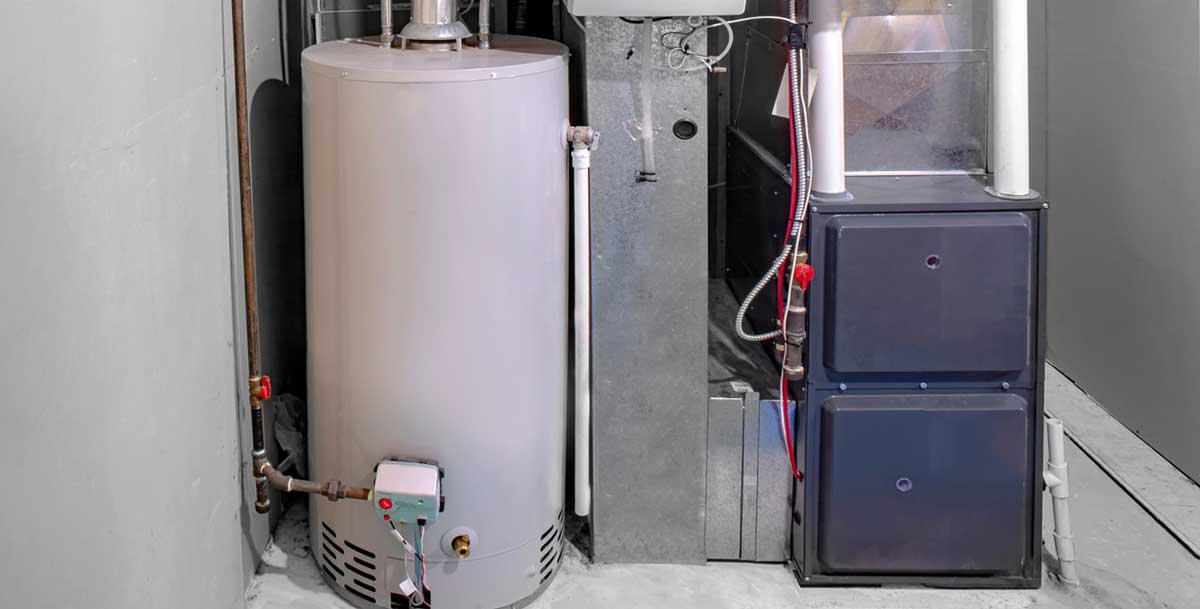
Choosing a new furnace is a major decision for any homeowner. One of the first questions you’ll face is whether to install a gas or electric model. Both systems have advantages, and the right choice depends on your home, budget, and long-term heating needs. Since homeowners often experience cold winter temperatures, selecting the proper heating system is essential for comfort and efficiency. Understanding the differences between gas and electric furnaces will help you make an informed and confident decision.
How Gas Furnaces Work
Gas furnaces use natural gas or propane to generate heat. When activated by the thermostat, gas ignites in the burner, producing heat that passes through a heat exchanger. A blower fan then distributes the warm air through the home’s ducts. Known for consistent, reliable heating, gas furnaces are especially popular in colder climates for maintaining comfort in freezing conditions. They also offer lower operating costs in areas with inexpensive natural gas. While installation may be more expensive upfront, long-term fuel savings often make up for the initial cost.
How Electric Furnaces Work
Electric furnaces use heating elements to generate heat, with a blower distributing warm air through your home’s ducts. They are usually cheaper to install than gas models and have fewer mechanical parts, reducing maintenance needs. However, electricity is often costlier than natural gas, leading to higher utility bills, especially in colder winters. As a result, electric furnaces are recommended for milder climates or homes without natural gas access.
Installation Costs and Requirements
Gas and electric furnaces have different installation costs. Gas furnaces need a gas line, proper venting, and combustion components, which can make their installation more expensive. Electric furnaces, on the other hand, don’t require gas lines or venting, making them simpler and more affordable to install. For homeowners planning a furnace installation in Sandy, factors like natural gas availability and existing ductwork condition will affect the total price. It’s important to weigh both the initial installation expenses and long-term operating costs when choosing between the two.
Energy Efficiency and Performance
Both gas and electric furnaces are available in high-efficiency models. Electric furnaces are highly efficient, converting nearly all electricity used into heat. However, the high cost of electricity often makes them more expensive to operate. Gas furnaces also have high-efficiency ratings, particularly modern condensing models. In colder climates, gas systems typically provide more powerful and consistent heating performance. For homeowners facing long winters, this reliable heat output is a key consideration.
Maintenance and Longevity
Electric furnaces generally require less maintenance because they have a simpler design with fewer moving parts and no combustion. Service is easier as there are no burners or heat exchangers to inspect. Gas furnaces, on the other hand, need regular inspections of their burners, gas connections, and ventilation systems to ensure safe operation and prevent issues like carbon monoxide leaks. In terms of longevity, electric furnaces may last slightly longer due to their simpler construction, but both systems can provide years of reliable service with proper installation and care.
Safety Considerations
Safety is a key consideration when choosing a furnace. Electric furnaces avoid risks like gas leaks or carbon monoxide exposure since they don’t rely on combustion. Gas furnaces can also be safe but require proper installation and regular maintenance to prevent issues with gas or ventilation. Professional installation ensures gas systems meet safety standards and operate correctly. Knowing the safety requirements of each option helps homeowners make informed, confident decisions.
Environmental Impact
Environmental factors might also influence your decision. Electric furnaces don’t produce direct emissions in your home, but their overall environmental impact depends on how your local electricity is generated. Gas furnaces burn fossil fuels, but their high efficiency can result in a smaller carbon footprint, especially in areas where natural gas is abundant. To minimize environmental impact, consider the energy efficiency ratings of either option and practice responsible fuel consumption.
Which Option Is Best for Your Home?
Your choice depends on your specific needs. If natural gas is available and winters are cold, a gas furnace may offer better performance and lower long-term operating costs. However, if your priorities are a lower upfront cost and simpler installation, an electric furnace could be a more practical solution. You should also consider your home’s size, insulation, and existing infrastructure. Consulting a qualified heating professional can help ensure your furnace installation is tailored to your home’s heating requirements.
Conclusion
Gas and electric furnaces both provide reliable heating when properly installed and maintained. Gas furnaces deliver strong heat and potential fuel savings, while electric models are easier to install and require less maintenance. Homeowners should consider installation costs, operating expenses, efficiency, safety, and long-term goals before deciding. Professional installation ensures optimal performance and consistent comfort throughout winter. Choosing the right furnace now ensures a warm, efficient, and comfortable home for years to come.