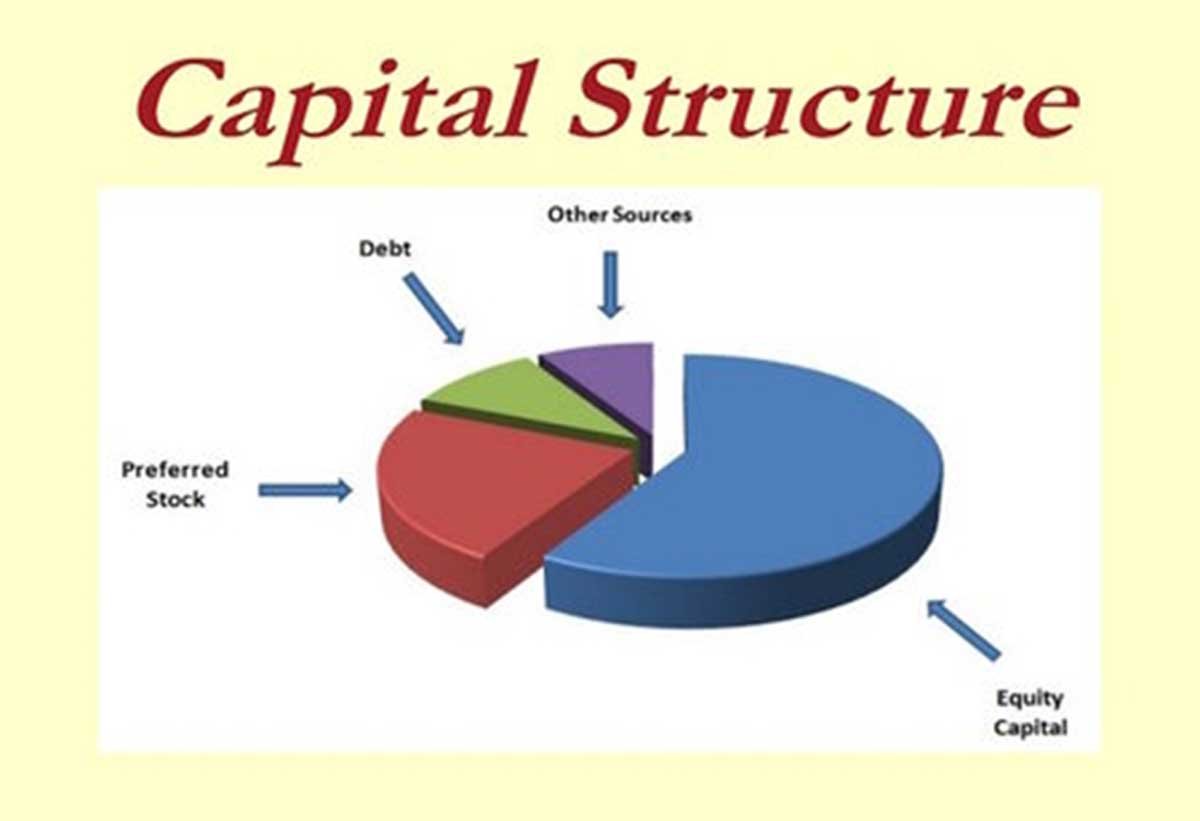
A company’s capital structure is its mix of funding sources used for operations and growth. Selecting the right strategy is vital for sustainable expansion as it impacts cash flow and corporate valuation. By effectively balancing financial instruments, businesses can secure lower-cost funding, which supports investment, builds resilience, and increases shareholder value.
Understanding Capital Structure Fundamentals
At its core, capital structure refers to the specific mix of debt and equity a company uses to finance its operations and growth. Debt comes in the form of bond issues or long-term loans, while equity is classified as common stock, preferred stock, or retained earnings.
The relationship between these two funding types directly impacts corporate valuation. Equity financing carries no repayment obligation and provides a cushion during tough times. However, issuing too much stock dilutes ownership and can lower earnings per share. On the other hand, debt allows you to retain ownership and often provides tax deductions on interest payments. The downside is that high debt levels increase financial risk. If revenues drop, the company still has to meet its fixed interest obligations.
Investors look closely at this balance when determining a company’s worth. A heavily leveraged company might be viewed as a risky investment, potentially lowering its market valuation. Conversely, a company funded entirely by equity might be seen as overly conservative, missing out on the growth acceleration that affordable debt can provide.
Balancing Debt and Equity to Optimize WACC
Finding the ideal capital structure means minimizing the Weighted Average Cost of Capital (WACC). WACC is the average rate a company pays to finance its assets, calculated by multiplying the cost of each capital component (debt and equity) by its proportional weight, and then summing the results.
Because interest payments are typically tax-deductible, debt is often cheaper than equity. Adding debt can initially lower your WACC, making it easier to generate positive returns on new investments. But as debt increases, so does the risk of default. This elevated risk causes both lenders and shareholders to demand higher returns, eventually driving the WACC back up.
The goal is to pinpoint the optimal capital structure where the WACC is at its absolute lowest. This sweet spot maximizes the overall value of the firm. Achieving this requires continuous analysis of market interest rates, the company’s historical cash flow stability, and broader industry trends.
Risk Assessment with FinanceCore AI
Managing capital structure at an institutional scale involves processing massive amounts of data. This is where advanced platforms like FinanceCore AI become essential. FinanceCore AI assists organizations by automating complex risk assessments and evaluating vast financial datasets in a fraction of the time it would take a human analyst.
By continuously analyzing market volatility, credit spreads, and historical performance metrics, FinanceCore AI helps financial officers identify hidden risks within their current capital structure. The platform provides institutional-scale insights that guide portfolio optimization. Leaders can easily visualize how shifting a percentage of their funding from equity to debt might impact their overall risk profile, allowing them to make confident, data-backed decisions.
Strategic Considerations for Asset Acquisition
When a company decides to acquire new assets, whether purchasing a new manufacturing facility or acquiring a competitor, the chosen funding method is critical. The capital structure must be adjusted to absorb the cost of the acquisition without destabilizing the company’s financial health.
Using cash reserves or issuing new equity are common approaches, but they tie up liquidity or dilute current ownership. Many firms look toward debt instruments to fund large purchases. For example, utilizing asset-based lending allows a business to secure a loan by using inventory or accounts receivable as collateral. This strategy can provide immediate capital for an acquisition while keeping long-term unsecured debt levels manageable. Carefully aligning the lifespan of the acquired asset with the maturity of the financing ensures that the investment generates enough cash flow to cover its own costs.
Leveraging Generative AI for Scenario Modeling
The financial landscape shifts constantly, making strict reliance on historical data a dangerous strategy. Today, leading firms use generative AI to anticipate future market conditions and test how their capital structure would hold up under various pressures.
Predictive scenario modeling allows financial teams to simulate thousands of potential economic environments. You can test what happens to your WACC if inflation spikes by two percent, or if a supply chain disruption halts revenue for a quarter. Generative AI builds these models rapidly, giving leadership teams a clear view of potential vulnerabilities.
Furthermore, generative AI streamlines real-time regulatory compliance. As capital markets become more tightly regulated, ensuring that your debt ratios and financial reporting meet current legal standards is paramount. AI tools can monitor changing regulations globally and automatically cross-reference them against your company’s financial structure, flagging any compliance risks before they result in penalties.
Integrating Data-Driven Intelligence for Stability
Building a resilient capital structure is an ongoing process of adjustment and refinement. The balance between debt and equity must evolve as the company grows and as market conditions change. Relying on intuition or outdated models is no longer sufficient for navigating modern financial markets.
By integrating data-driven intelligence into your financial planning, you can secure long-term financial stability. Tools that offer predictive modeling, risk assessment, and real-time compliance tracking empower leadership teams to make proactive adjustments. Start evaluating your current WACC today, and explore how AI-driven platforms can help you uncover the optimal funding mix to drive your business forward.
Conclusion
Now that you have a better understanding of WACC and its importance in financial decision-making, take the time to assess your current WACC and consider implementing data-driven intelligence into your financial planning.