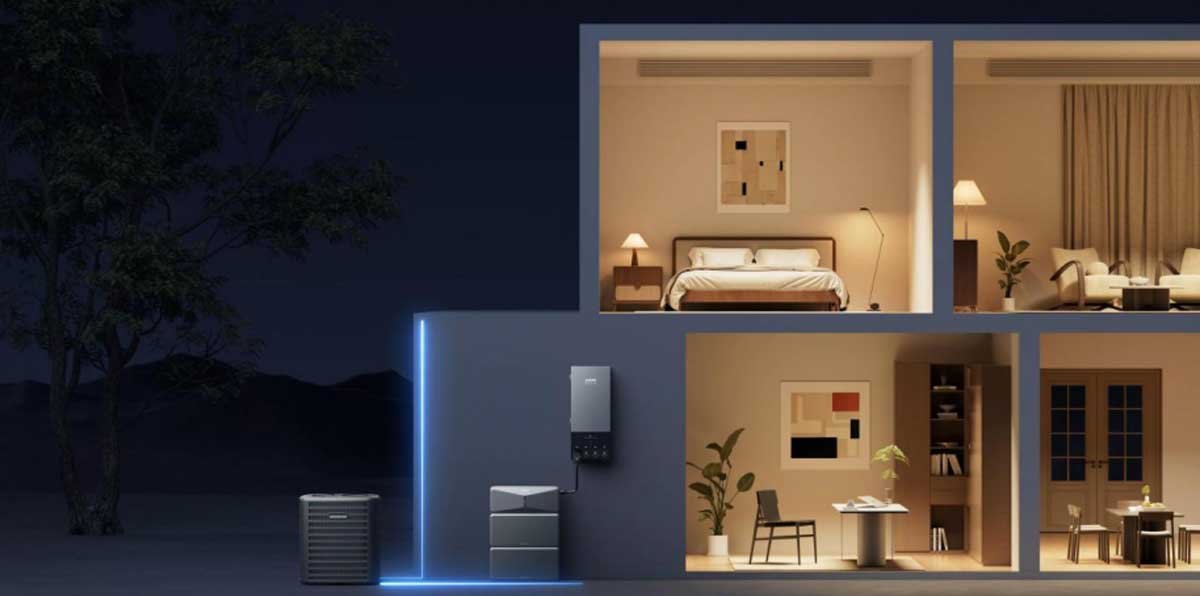
Homeowners often guess how much backup power they need and end up buying systems that are either too small or far too large, leading to wasted money or unreliable performance during outages. The right size depends on what you want to keep running and how long you expect outages to last in your area. You also need to consider future changes, like adding EV charging, solar panels, or more electric appliances. The key is to carefully match your real energy loads with flexible, modular backup power systems that can scale over time.
How to Calculate Your Home Backup Power Needs?
Start by listing essential appliances and their wattage, then separate running watts from starting watts. Add both, factor in future needs, and choose a scalable system that can grow.
Listing Essential Appliances and Their Wattage
First, decide what “essential” means for your home. Most people include the fridge, internet router, lights, heating or cooling, well pump if needed, medical devices, and phone or laptop charging. Check each appliance’s nameplate label, user manual, or online specs for wattage. List the running watts and note which items you might run at the same time. Use a simple spreadsheet or notepad. For hardwired loads like a furnace, central AC, or water heater, review your electrical panel labels or ask an electrician to estimate. This appliance list becomes the foundation for sizing your backup power system correctly.
Calculating Running Watts vs Starting Watts
Many appliances draw more power when they start than when they run. This surge, known as starting watts, is especially important for devices with compressors or motors, such as refrigerators, heat pumps, air conditioners, and well pumps. Running watts represent the steady power needed to keep the appliance operating after startup. Starting watts, however, cover that brief but intense spike in demand. When planning backup power, calculate the total running watts of all devices you plan to use simultaneously, then add the single highest starting watt surge to ensure reliable performance.
Typical Power Ranges for Different Backup Needs
Backup needs vary widely. Essential-only setups often fall around 8–12kW, while full-home coverage usually needs 15–20kW or more, depending on climate, home size, and electric appliances.
Essential Backup Power: 8–12 kW Range
An 8–12kW backup system usually supports the basics: refrigeration, lights, internet, a gas furnace blower, a well pump, and a few outlets. This range suits smaller homes or households that can manage usage during outages. You may run only one large load at a time, like the microwave or a small window AC. Systems similar to the lower end of Anker SOLIX E10’s rated output can cover this level, especially with smart load management. Pairing about 6–20kWh of storage can give 1–3 days of essential backup, depending on how carefully your family conserves power during an outage.
Full-Home Backup Power: 15–20 kW and Beyond
Larger homes or all-electric houses often need 15–20kW or more for seamless full-home backup. This range supports central air conditioning, electric ovens, induction cooktops, electric dryers, and EV chargers, often running together. Here, scalable systems shine. Anker SOLIX E10 can deliver 10kW–30kW Turbo Output and 7.6–22.8kW rated output, so you can start at partial-home coverage and scale toward full-home performance comparable to a whole house generator solution. With 6kWh–90kWh capacity, you can aim for 1–15 days of backup, adjusting battery capacity as your needs grow. This approach helps you balance comfort during outages with long-term flexibility and energy resilience.
How Scalable Systems Help You Right-Size Your Power?
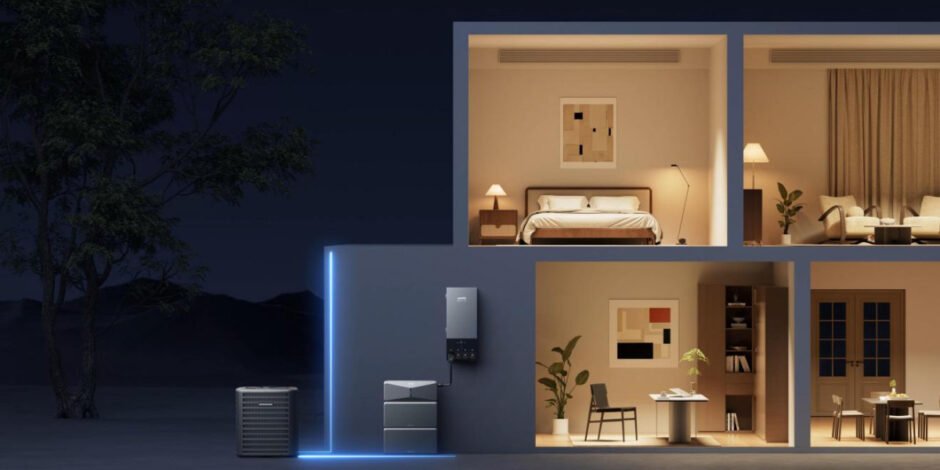
Scalable backup systems let you start with what you need today, then add capacity later. You avoid overbuying upfront while keeping a clear upgrade path as your life changes.
Expanding Capacity with Modular Batteries and Units
Scalable systems use modular batteries and stackable power units. You can add more storage or output as your home’s demand grows. Anker SOLIX E10 illustrates this approach with 6kWh to 90kWh of expandable battery capacity and 10kW–30kW Turbo Output. Maybe you begin with enough modules for 1–2 days of essentials, then add more when you install a heat pump or EV charger. This modular design also simplifies installation and service. Instead of replacing an entire system, your installer can add or swap individual modules, keeping downtime low and making future upgrades straightforward and cost-effective.
Avoiding Overspending While Ensuring Reliability
Many homeowners buy oversized generators or batteries “just in case” and never use their full capacity. Scalable systems reduce that risk. You invest in the amount of power and storage you actually need now, then expand in logical steps. With Anker SOLIX E10, for example, you can start near the 7.6kW rated output range and modest storage, then grow toward 22.8kW and up to 90kWh if outages become more frequent. This staged approach protects your budget while still delivering reliability. You avoid paying upfront for rare peak usage but keep the option to scale when circumstances change.
Smart Load Management and Energy Optimization
Smart load management uses software and hardware to control which circuits run and when. It keeps your system within limits, extends backup time, and avoids overloads during grid failures.
Prioritizing Essential Circuits During Outages
During an outage, not every circuit needs power. Smart load management panels or subpanels let you assign priorities. Level one might include the fridge, key lights, Wi-Fi, and heating or cooling. Level two might cover laundry or kitchen outlets. Lower priorities stay off until you have surplus capacity. Some systems automatically shed non-essential loads when demand spikes, so the backup system never trips. This approach lets a system like Anker SOLIX E10 stretch its 6kWh–90kWh capacity further, focusing on what truly matters while still keeping your home livable and safe throughout longer blackout periods.
Using Automation to Balance Power Demand
Automation tools monitor your home’s power use in real time and adjust loads automatically. For example, they can delay the dishwasher while the heat pump starts or pause EV charging when your backup system nears its output limit. Paired with a scalable system such as Anker SOLIX E10, automation smooths out spikes so the 10kW–30kW Turbo Output and 7.6–22.8kW rated output stay within safe ranges. You see usage data in an app, change priorities, and schedule heavy loads for times when solar production is high or overall demand is low, maximizing both comfort and energy efficiency.
Conclusion
Sizing home backup power starts with your own priorities, not a generic number. List essential appliances, understand running and starting watts, and decide whether you want essential-only or full-home coverage. Then choose a scalable system that can grow with you. Options like Anker SOLIX E10, with 10kW–30kW Turbo Output, 7.6–22.8kW rated output, and 6kWh–90kWh capacity, give you 1–15 days of flexible backup. Combined with smart load management and automation, they help you avoid overspending while staying prepared. A right-sized, expandable backup system turns outages from stressful surprises into manageable, predictable events.