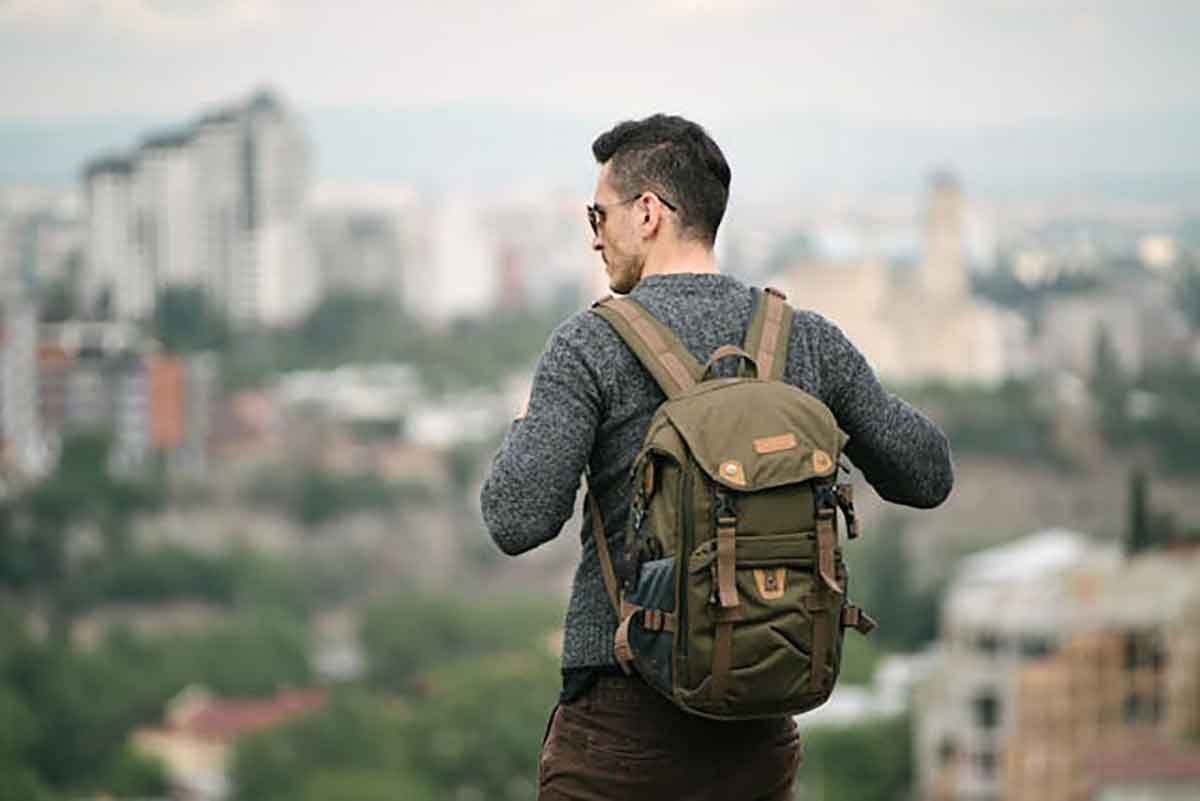
Solo travel gets sold as a revelation. You. A horizon. Inner peace arriving on schedule. The truth sits somewhere else. You know what this is about. Travelling alone can feel freeing at breakfast and oddly heavy by dinner. It can calm your nerves and then poke at them for no clear reason. A stress-free solo getaway is not about eliminating discomfort. It is about reducing the avoidable kind, so you have room to deal with the rest.
Decide Why You Are Going
People rush to the destination. That is usually a mistake. A solo trip needs a reason, even if the reason feels vague. You might want to be quiet after a rough year. You might want to feel capable again. You might want a break from being useful to other people. Those reasons point you toward different places.
If you feel burnt out, a busy city will drain you fast. If you feel stuck, somewhere too quiet can feel bleak. When the reason is clear, you stop forcing yourself into places that look impressive but feel wrong. That alone removes a lot of tension.
Pick a Destination That Forgives Mistakes
When you travel alone, there is no buffer. Miss a train, and it’s on you. Order the wrong thing, and you eat it anyway. So choose a place that makes small errors easy to recover from. Good public transport, walkable streets, and cafes that do not rush you will do the trick.
Places that demand constant attention look great on camera, but as you’ll find out if you go that route, they exhaust you fast. Stress-free does not mean boring. It means forgiving. You want a place that lets you have an off day without punishing you for it.
Plan Less Than You Think You Should
A tight itinerary feels responsible. In reality, it creates pressure. When you’re on your own, you also deal with that pressure on your own. The goal is not to see everything, but rest and enjoy the opportunity to be someplace else.
Give each day one loose anchor. Something that justifies the day existing. A long walk, a gallery, a booked lunch, or even a Harem Brothel in Melbourne if you’re feeling a bit naughty. Let the rest float. This way, you wake up with direction but no obligation to perform. Some days will stay small. That is fine. Small days recover you.
Choose Accommodation That Feels Safe
Solo travel changes how accommodation works. You notice sounds more, and for some reason, you care more about lighting. You want to feel comfortable locking the door at night. A beautiful space that feels exposed will drain you faster than a plain one that feels solid.
Location matters more than style. Being able to step outside and orient yourself quickly reduces mental load. When your base feels easy, the rest of the trip stops feeling like effort.
Pack for Real Life, Not Fantasy
Packing stress starts with imagination. You imagine dinners, weather, and versions of yourself that behave better than you do. Then you overpack. But those heavy bags turn minor inconveniences into genuine problems.
Instead of doing this the old way, pack clothes you already trust. Shoes you have walked in for hours. Bring something familiar that signals evening. A book you know you like. A jumper that smells like home. These things sound small. They steady you when the day has been loud.
Decide How Connected You Want to Be to Home
Being reachable can be comforting. But if you remain too reachable, this decision can also pull you out of the trip. You should decide in advance how often you will check messages. It goes without saying that you should let important people know when you plan to be offline. This removes guilt and stops constant checking.
Just so you know, you are not cutting people off. You are giving your brain a rest from reacting. Solo travel works best when your attention stays where your body is.
Learn Just Enough Local Detail to Feel Capable
You do not need to study everything. You do need the basics, like how to pay or how transport works. These small pieces of knowledge prevent public confusion, which is one of the most stressful parts of travelling alone.
Feeling capable in small ways will build your confidence fast. Confidence reduces stress more than comfort ever will, allowing you to enjoy your trip fully.
Conclusion
A stress-free solo getaway is not smooth or aesthetic. It has awkward meals, quiet evenings, and sudden relief when you realise no one needs anything from you right now. But once you accept all stages of travelling alone, even the boring and lonely ones, you will start to move through them without resistance.