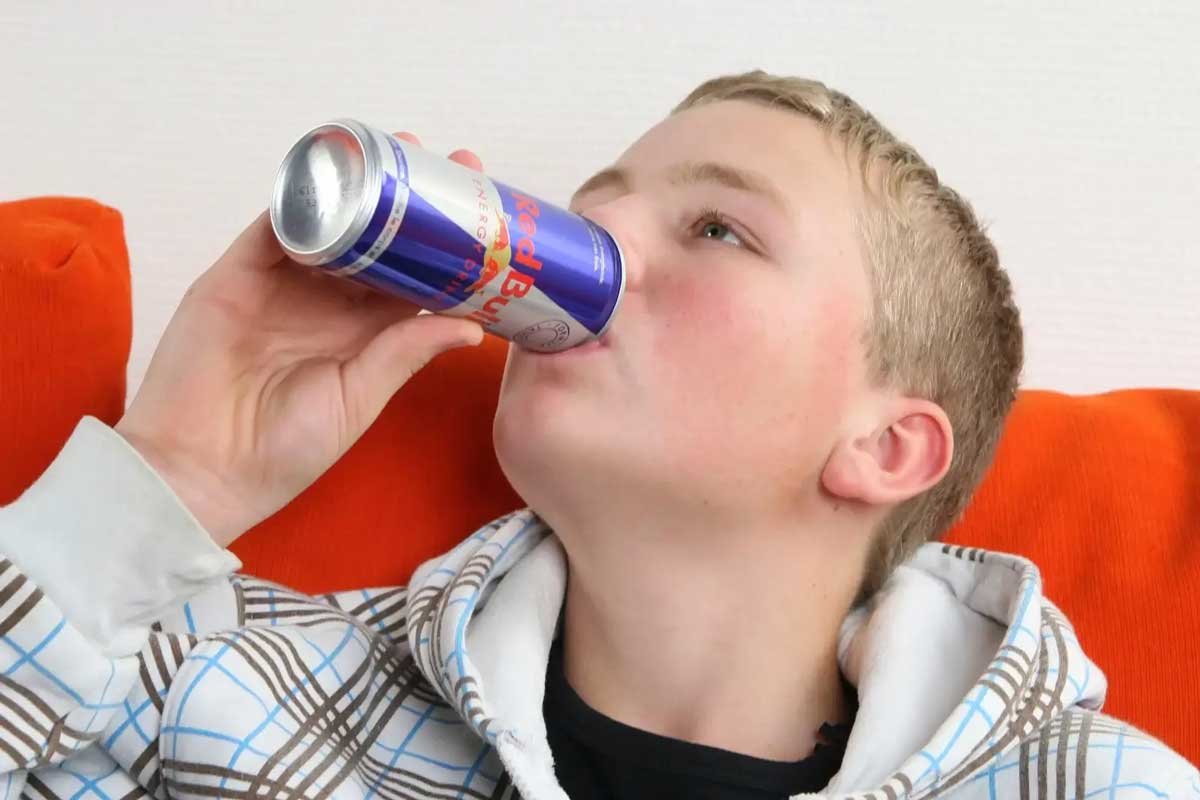
Soda may seem like a harmless treat, especially when it’s associated with birthday parties, holidays, and fun family moments. But behind those colorful cans and fizzy bubbles lies a host of health concerns, particularly for children whose bodies are still developing. While many parents are aware that soda isn’t exactly healthy, few realize just how deeply it can impact their child’s physical and even emotional well-being.
Sugar Overload and Weight Gain
Most sodas are packed with added sugars, far beyond what a child’s body actually needs. A single can can contain more sugar than the recommended daily intake for kids. This excess sugar contributes to weight gain and increases the risk of childhood obesity, a growing concern worldwide. Obesity doesn’t just affect appearance; it impacts heart health, breathing, sleep patterns, and a child’s self-confidence. Over time, regularly consuming sugary drinks can also increase the risk of developing type 2 diabetes, even at a young age.
The Silent Attack on Teeth
Sugar is one of the biggest enemies of a healthy smile. When children drink soda, sugar combines with bacteria in the mouth to create acid. This acid erodes tooth enamel, leading to cavities, tooth sensitivity, and gum problems. What makes soda especially harmful is that many children sip it slowly, giving the acid more time to damage teeth. The carbonation and acidic content themselves also weaken enamel, making dental problems even more likely. Regular dental checkups are essential, and if you’re seeking professional guidance, a Portland pediatric dentist can help monitor and protect your child’s oral health.
Bone and Growth Concerns
Some sodas contain phosphoric acid and caffeine, ingredients that may interfere with calcium absorption. Since children are in crucial stages of bone development, anything that weakens bone strength can have long-term effects. Research suggests that high soda intake is linked to weaker bones and an increased risk of fractures. Growing kids need strong bones for an active life, and replacing soda with milk or water supports healthier development.
Behavior, Sleep, and Learning
Many sodas contain caffeine, a stimulant that can affect mood and behavior. For children, this may show up as restlessness, difficulty concentrating, irritability, or increased hyperactivity. Caffeine can also interfere with sleep, and lack of quality sleep affects school performance, emotional regulation, and overall energy levels. When soda becomes a daily habit, these issues can become ongoing struggles rather than occasional challenges.
The Risk of Long-Term Health Problems
The effects of soda don’t stop at childhood. Drinking sugary beverages regularly sets unhealthy habits that may continue into adulthood. Over time, this increases the risk of chronic conditions such as heart disease, metabolic syndrome, and lifelong dental complications. Teaching children to make healthier beverage choices now helps shape a healthier future.
Better Beverage Alternatives
The good news is that parents have plenty of healthier options to offer. Water remains the best choice for hydration, and it supports the body in countless ways. If your child finds plain water boring, try infusing it with fruit slices for natural flavor. Milk or fortified plant-based alternatives help support bone growth, while natural fruit juices (in moderation) can offer vitamins without the excessive sugar of soda. Even sparkling water can be a satisfying substitute for kids who love fizzy drinks.
Helping Kids Break the Soda Habit
Reducing soda doesn’t have to mean sudden bans that cause resistance. Start small by limiting soda to occasional treats rather than everyday beverages. Keep healthier drinks readily available and be a good role model by choosing better options yourself. Talk to children in simple, positive ways about why healthier drinks matter. Empowering them with understanding helps them take part in making good choices.
Final Thoughts
Soda may be fun, but its effects on children’s health are far from sweet. From tooth decay and weight gain to sleep problems and long-term risks, the impact is real and lasting. By encouraging better beverage habits early, parents can protect their child’s health, build strong lifelong habits, and still enjoy special treats in moderation. A healthier future starts with what’s in their cup today.