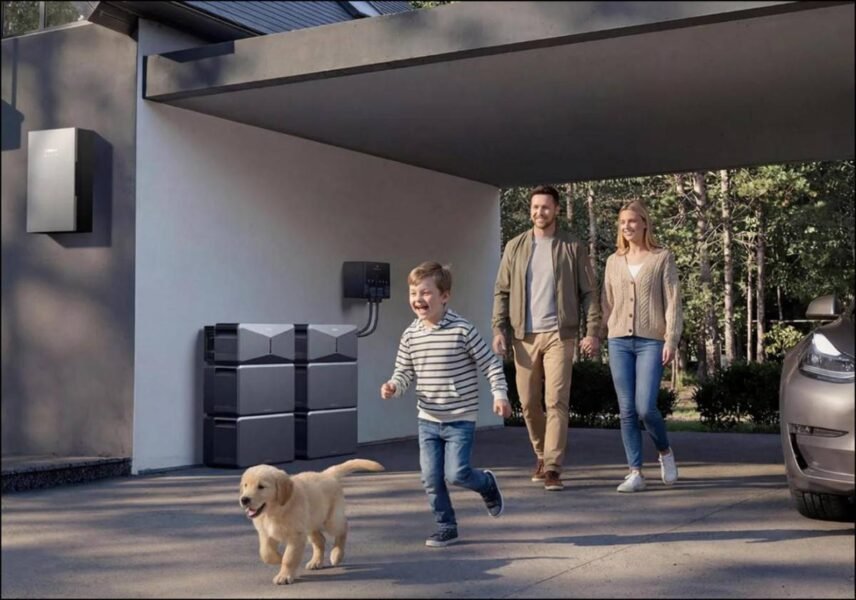
Whole house backup power solutions keep homes running when the grid fails and help families feel prepared for unexpected events. More homeowners now work remotely, rely on medical devices, and depend on constant connectivity, so a reliable backup system is no longer a luxury. It protects food in refrigerators, keeps heating and cooling working, and supports lights, electronics, and security systems. Modern systems also integrate with solar and smart home devices, which means you can manage energy use instead of just reacting to outages. This guide explains what whole house backup power is, the main benefits, and how to choose the right setup. You’ll also see why a solution like Anker SOLIX stands out for performance, safety, and long-term value.
What Is a Whole House Backup Power Solution?
How It Works
The system ties into your home’s electrical panel through a transfer switch or smart inlet box. During normal operation, your home uses grid power, and the system may charge its batteries or take solar input. When an outage occurs, the inverter detects the loss of grid power and switches to backup mode, usually in seconds. The inverter then converts stored DC power from the batteries, or power from a connected generator or solar array, into usable 120/240V AC electricity. It sends this power through selected circuits or the whole panel, depending on the design. Smart controls monitor loads, battery levels, and inputs to keep key devices running efficiently until grid power returns.
Main Components
Most whole backup battery home power solutions include an inverter, battery modules, a control or power module, and a transfer device. The inverter provides 120/240V split-phase AC output and manages the flow of power. Batteries store energy and determine how long your home can run off-grid. A power dock or control hub consolidates connections, such as AC input, solar PV input, and generator input. A smart inlet box or transfer switch connects the system to your main panel. Some setups add a smart generator and rooftop or ground-mounted solar panels for extended backup. Connectivity options like Wi-Fi and Bluetooth enable app-based monitoring and control from anywhere.
Key Benefits of Whole House Backup Power
Reliable Power During Outages
A whole house backup system keeps your home functioning when storms, grid failures, or planned maintenance cut power. Instead of scrambling for flashlights and ice, you keep lights on, refrigerators running, and climate control stable. Split-phase 120/240V output lets the system support heavy loads like well pumps, electric ranges, or central air units, depending on capacity. Fast automatic switchover means you may barely notice the outage. This reliability helps protect families with medical equipment, work-from-home setups, and critical electronics that cannot afford sudden shutdowns.
Energy Savings and Independence
Many modern backup systems pair with solar panels, allowing you to charge batteries with free, renewable energy. You can store excess solar during the day, then use it in the evening to reduce peak-time grid usage and lower bills. Over time, this reduces dependence on utility power and offers protection from rising energy rates. Some systems also accept DC generator input, giving you flexible ways to recharge during long outages. Together, these features increase your home’s energy independence and resilience.
Smart and Efficient Energy Use
Smart backup systems monitor loads, battery levels, and energy sources in real time. They can prioritize essential appliances, shed non-critical loads, and optimize when to charge or discharge batteries. App-based controls let you adjust settings, track usage, and see performance from anywhere. By avoiding waste and smoothing demand, the system runs more efficiently and extends backup time. This level of control turns backup power from a passive safety net into an active energy management tool for your home.
Recommended Solution: Anker SOLIX
Anker SOLIX offers a robust whole house backup solution built around the SOLIX E10 platform. The E10 Power Module delivers 120/240 VAC split-phase output at 60Hz, with 7,680W and 32A of maximum continuous power when paired with batteries. With the B6000 Battery Module and Power Dock, the system can reach 10,000W and 41.6A for up to 90 minutes, and even higher turbo backup output currents: 120A with one inverter and one battery, 155A with one inverter and two or more batteries, and up to 275A with two or more inverters and multiple batteries. This surge performance improves LRA handling for demanding loads. The Smart Inlet Box simplifies panel connection, while PV input supports up to 2 × 4,500W solar (30–450V DC, 15A). A 4,500W DC generator input and the 5500 Smart Generator extend runtime in long outages. The system features NEMA Type 4 (IP66) enclosure, a -4°F to 131°F operating range, and a 5-year warranty. Wi-Fi and Bluetooth provide app control. Despite its power, the core unit remains compact at 26.4” × 11.8” × 10.2” and 60.6 lb, making professional installation straightforward.
Conclusion
Whole house backup power solutions protect your home from outages, support critical appliances, and open the door to smarter, more independent energy use. By connecting directly to your electrical panel and offering 120/240V split-phase output, these systems can power everything from lights and electronics to HVAC and pumps. When you choose a solution, focus on capacity, surge performance, scalability, safety, and integration with solar or generators. Anker SOLIX, with its E10 Power Module, B6000 Battery Module, Smart Inlet Box, and strong solar and generator support, delivers a flexible and powerful option. With a durable NEMA Type 4 enclosure, wide operating temperature range, and five-year warranty, it provides the reliability and resilience today’s homes need.