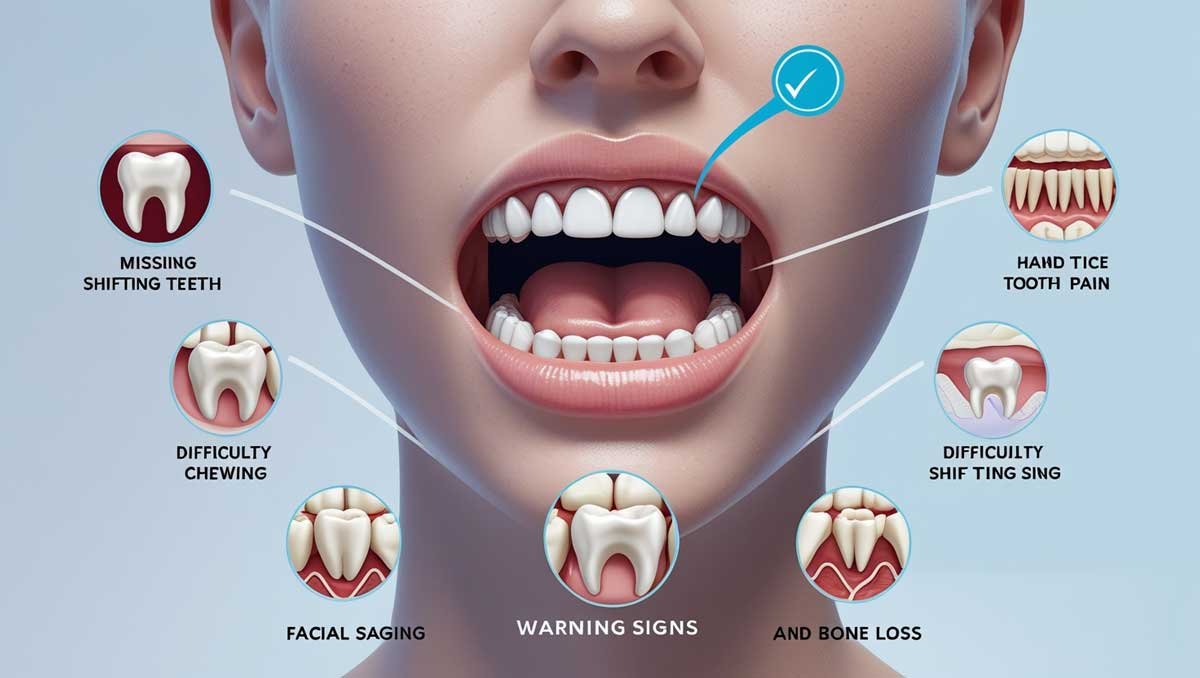
Most dental issues can be managed with routine care like cleanings, fillings, or crowns. However, certain conditions require a more intensive approach. The term “dental surgery” can sound intimidating, but it encompasses a range of procedures designed to resolve serious oral health problems, restore function, and prevent further complications. Understanding when surgery might be necessary is key to protecting your long-term health. Ignoring the warning signs can lead to more pain, complex treatments, and greater expense down the road.
Common Reasons for Dental Surgery
Oral surgery addresses problems that cannot be fixed with non-invasive treatments. It is a necessary step when the health of your teeth, gums, or jaw is significantly compromised.
Severe Tooth Decay or Damage
When a tooth is cracked below the gumline or has such extensive decay that a filling or crown is not enough to save it, an extraction may be the only option. Removing a severely damaged tooth prevents infection from spreading to other teeth or into the jawbone. While dentists always aim to preserve natural teeth, surgical removal becomes essential when a tooth is beyond repair.
Impacted Wisdom Teeth
Wisdom teeth, or third molars, are the last to emerge, typically in the late teens or early twenties. Often, there is not enough room in the jaw for them to grow in properly. This can cause them to become impacted, meaning they are trapped beneath the gumline or grow in at an angle. Impacted wisdom teeth can cause pain, damage adjacent teeth, and lead to cysts or infections. Surgical extraction is frequently recommended to prevent these complications.
Addressing Gum Disease
Advanced gum disease, or periodontitis, can destroy the bone and tissues that support your teeth. When deep pockets of bacteria form around the teeth, a dentist may need to perform gum surgery. This procedure involves lifting the gums to remove tartar and diseased tissue from the tooth roots. Sometimes, it also includes bone or tissue grafts to regenerate what has been lost and provide a healthier foundation for your teeth.
Warning Signs That May Indicate a Need for Surgery
Your body often provides clear signals when a dental issue requires more than a standard check-up. Paying attention to these signs is crucial.
Persistent and Severe Tooth Pain
A toothache that is constant, sharp, or throbs relentlessly is a major red flag. This type of pain often points to an infection deep within the tooth pulp or an abscess at the root. While a root canal can sometimes resolve the issue, a surgical procedure like an apicoectomy (root-end surgery) or extraction may be needed if the infection is severe.
Swelling in the Gums, Jaw, or Face
Noticeable swelling is your body’s response to infection or inflammation. If you see swelling in your gums, along your jawline, or on the side of your face, it could indicate an abscessed tooth, a serious infection, or an impacted wisdom tooth. This symptom should be evaluated by a dental professional immediately.
Difficulty Chewing or Opening Your Mouth
Pain or stiffness that makes it difficult to chew food or open your mouth fully can be a sign of an impacted wisdom tooth or a problem with the temporomandibular joint (TMJ). These issues often require a surgical solution to restore proper jaw function and relieve discomfort. For patients who experience significant anxiety about these procedures, options like sedation dentistry in Scott, LA can help ensure a more comfortable and relaxed experience.
A Loose Tooth as an Adult
Barring an injury, a permanent tooth should never feel loose. A loose tooth is often a symptom of advanced gum disease that has weakened the supporting bone structure. Depending on the cause, surgical intervention may be needed to save the tooth or, if it cannot be saved, to prepare the site for a dental implant.
Ignoring these symptoms will not make them disappear. Prompt evaluation by a dental professional is the best way to determine the cause of your discomfort and get the appropriate treatment. Addressing oral health issues early can prevent minor problems from becoming major surgical cases.